Burst pipe repair in Detroit, MI gets busy the moment temperatures drop hard, usually during a cold snap or a polar vortex event that pushes well below freezing for several days straight. Water expands as it freezes inside a pipe, and once that pressure has nowhere left to go, the pipe splits, often at a joint or a weak point that was already under stress. The break itself might happen quietly inside a wall, but once the ice thaws, water pours out fast, sometimes before anyone notices the pipe was ever frozen. Water Damage Connect coordinates certified crews for emergency shutoff, extraction, and repair.
If water’s actively spraying or pooling, shut off the main water valve if you can reach it, then call. If a pipe just feels frozen but hasn’t burst yet, we can walk you through next steps.
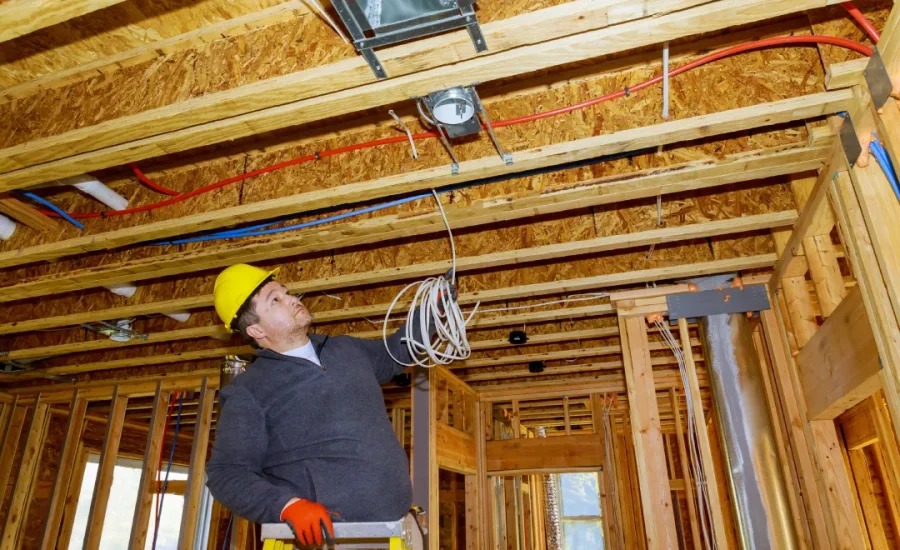
The pipes most at risk are the ones running through unheated or poorly insulated spaces, exterior walls, crawl spaces, attics, and garages. Older Detroit homes often have plumbing runs that were never expected to face today’s colder stretches, or that lost insulation over the decades as walls were opened up for other repairs. A pipe doesn’t need to freeze solid all the way through to burst. Ice forming anywhere along its length is enough to trap water and build pressure toward whichever direction is weakest.
Copper pipe tends to split cleanly at the point of the blockage, while older galvanized pipe can crack or separate at a joint that’s already corroded. PEX pipe, more common in newer construction, flexes more and resists bursting slightly better, but it isn’t immune, especially at rigid fittings and connections. None of that matters much once the pipe has already failed. The material just affects where the break tends to happen and how visible the damage is right away.
The real damage usually starts after the thaw, not during the freeze itself. A pipe can crack quietly while frozen and show no symptoms at all until temperatures rise enough for the ice plug to melt, at which point water starts flowing through the break at full pressure. That’s why a lot of burst pipe calls come in during a warm-up after a cold stretch, not during the coldest days themselves.
Shutting off water to the affected line, or the whole house if the shutoff location isn’t obvious, comes first. Everything after that depends on how long the water was running before it was caught. A pipe that bursts overnight in an unoccupied room can put out a lot more water than one that’s noticed within minutes.
Extraction removes standing water, and then the same drying process used after any water event kicks in, checking flooring, drywall, and framing for moisture that’s spread beyond the visible wet area. The actual pipe repair itself typically happens alongside the water mitigation, not as a separate follow-up visit, so the same spot doesn’t flood again the next time it gets cold.
Emergency Water Shutoff
Water to the affected line, or the whole house if needed, gets shut off first to stop the damage from getting worse.
Extraction & Pipe Repair
Standing water is removed while the damaged section of pipe is repaired or replaced, addressed together rather than in separate visits.
Drying & Damage Assessment
Flooring, drywall, and framing are checked and dried until moisture readings confirm the area is actually back to normal.
Exterior wall plumbing is the most common trouble spot, especially in bathrooms and kitchens built against an outside wall with minimal insulation behind the fixtures. Basements and crawl spaces with exposed pipe runs freeze easily during extended cold snaps, particularly in homes without proper insulation added over the years. Garages with any plumbing running through them, whether for a utility sink or a sprinkler system shutoff, are almost always uninsulated and at high risk. Attics with pipe runs for upstairs bathrooms freeze for the same reason, and any pipe near a drafty window or an uninsulated crawl space hatch faces the same exposure.
Once a cold snap is forecast, letting a faucet drip slightly and keeping cabinet doors open under exposed sinks can reduce the odds of a freeze, but it doesn’t guarantee anything once temperatures drop far enough for long enough. If a pipe has already burst, the priority shifts entirely to getting the water stopped and out before it spreads any further into flooring and drywall.
Shut off the water at the main valve if you're able to reach it safely, then call. Stopping the flow matters more in the first few minutes than anything else, since every minute the water runs adds to what needs to be extracted and dried afterward.
Low or no water pressure from a specific fixture during cold weather is the usual sign, sometimes along with frost visible on an exposed section of pipe. If you catch it before it bursts, call before running heat directly on the pipe yourself, since rapid uneven thawing can sometimes cause the same kind of failure a hard freeze does.
Yes, 24 hours a day. A burst pipe left running for even a few hours can put out enough water to soak through flooring into the level below. Call (313) 497-7095 as soon as it happens.
Sudden and accidental water damage from a burst pipe is typically covered under standard homeowners policies, though damage from a pipe that was left to freeze due to neglect, like an unheated vacant home in winter, is sometimes treated differently.
Both. Pipe repair happens alongside water extraction and drying rather than as a separate visit, so the same spot isn't left at risk of freezing and bursting again.
Crews are certified and insured, handling both the plumbing repair and the water mitigation side of a burst pipe call.
Yes. Every job starts with a free inspection so you know the scope of the damage and the repair needed before agreeing to anything.
Water Damage Connect puts Metro Detroit homeowners and businesses in touch with certified, insured restoration crews for water, fire, and storm damage, available 24/7.
Lorem ipsum dolor sit amet, consectetur adipiscing elit. Ut elit tellus, luctus nec
Copyright © 2026 Water Damage Connect. All Rights Reserved.